Rashmi 6 Paradigm

    Sustainable Biomass Energy

    Rashmi 6 Paradigm
    Biomass Fuels — 01

    High-Performance Biomass Pellets for Cleaner Industrial Energy

    Compressed agricultural biomass fuel for industrial co-firing and thermal energy generation. Tested using published EN ISO methods and produced from locally sourced agro-waste.

    01 — Overview

    Renewable Fuel Engineered for Industrial Performance

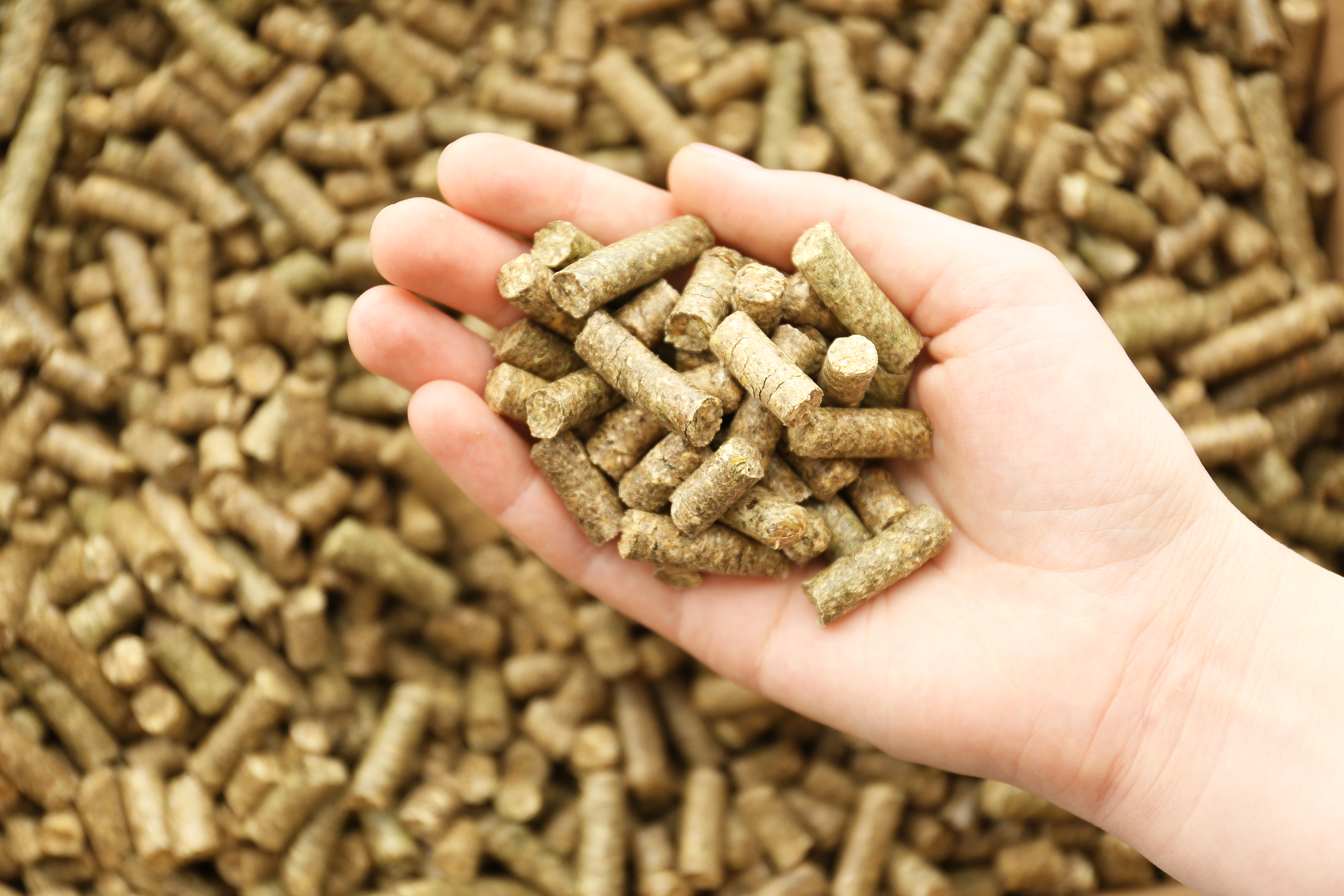
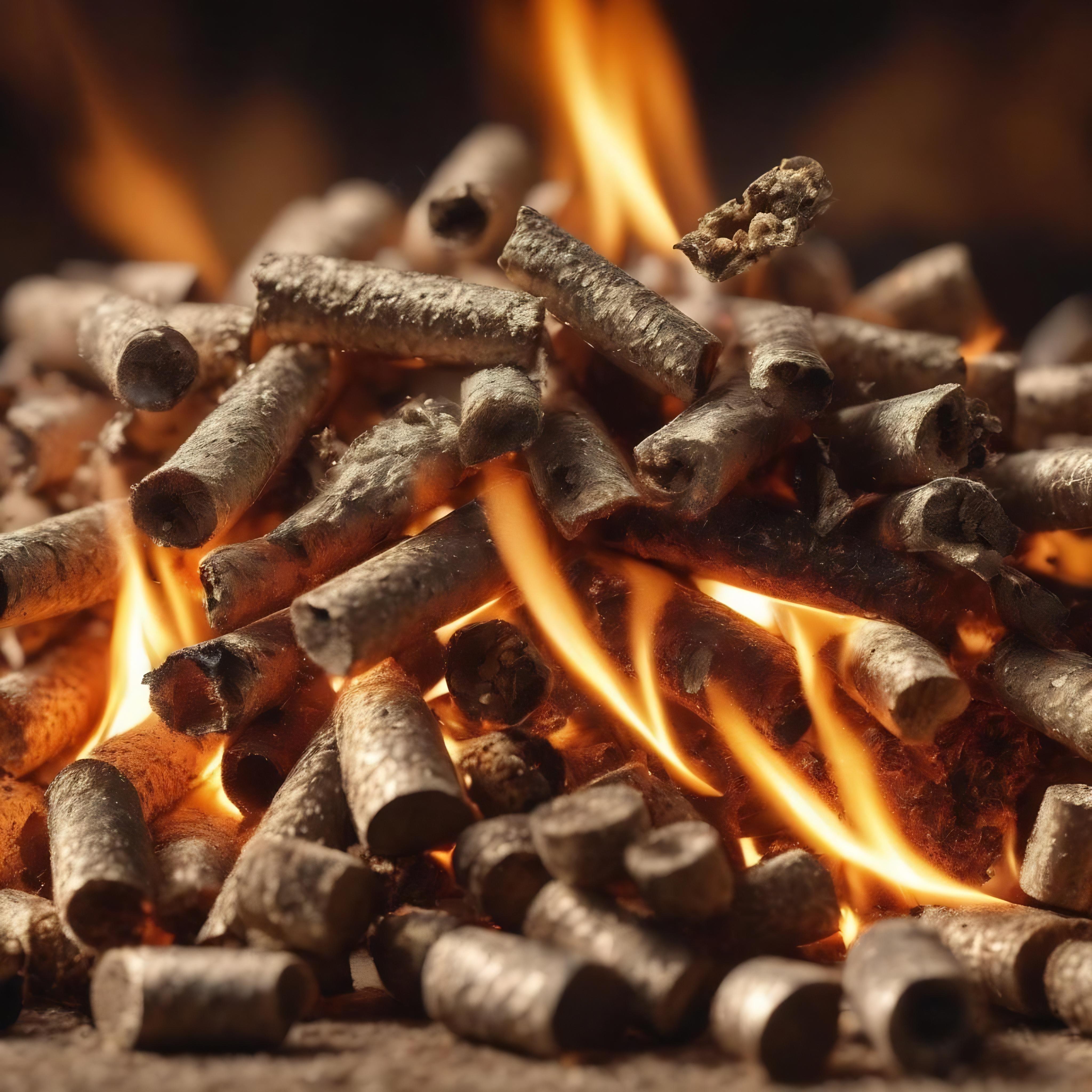
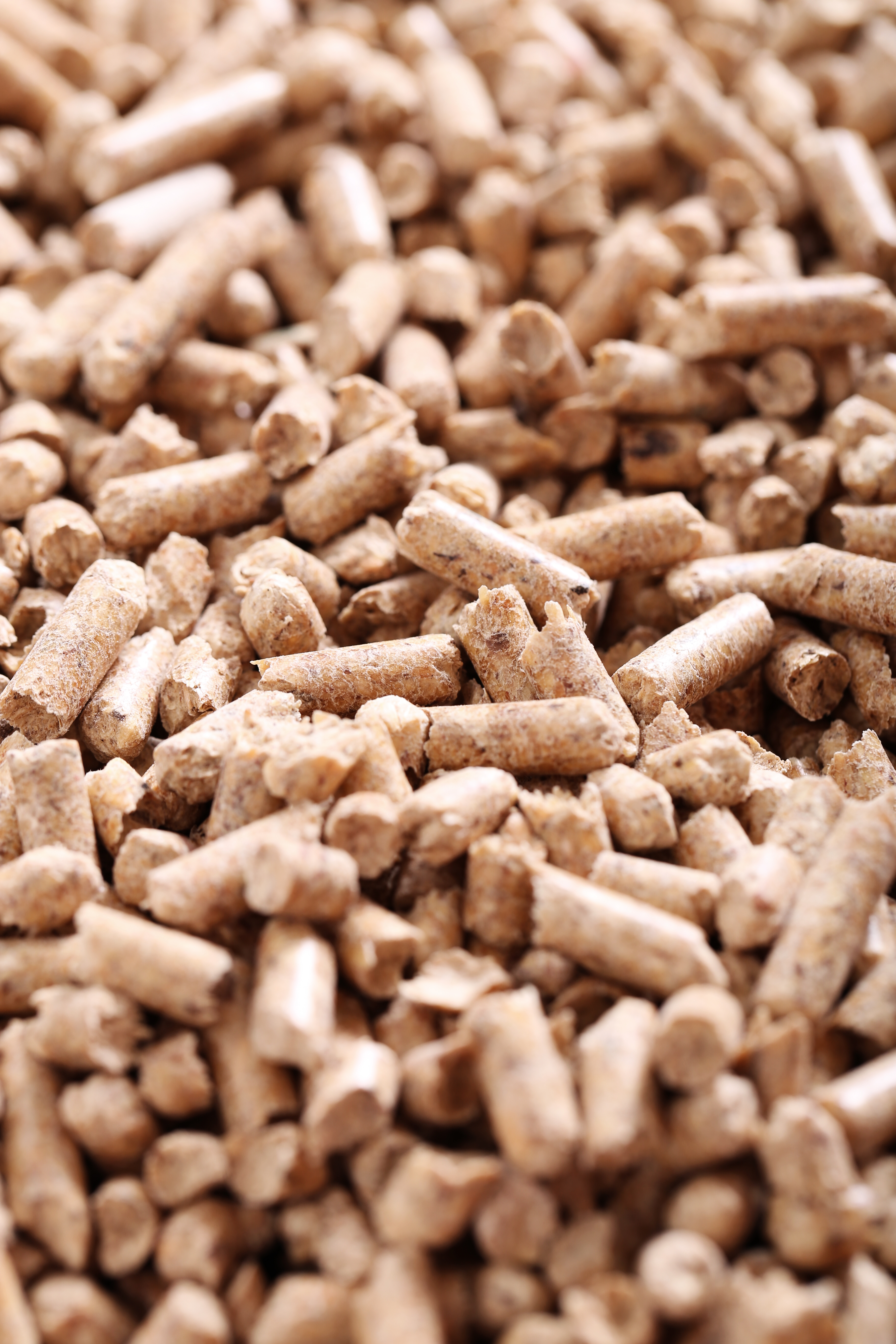
    Biomass Pellets are one of the fastest-growing renewable fuel solutions worldwide, offering industries an environmentally responsible substitute for coal and other conventional fuels. Produced from sustainably sourced wood residues and agricultural biomass, these compressed pellets deliver high calorific value, low moisture content, and consistent combustion characteristics.

    At Rashmi 6 Paradigm Limited, we manufacture premium-quality Biomass Pellets using advanced processing technologies and stringent quality control systems. Every pellet is engineered to deliver superior thermal efficiency, reduced emissions, and reliable operational performance across a wide range of industrial applications.

    Whether for power generation, industrial boilers, cement plants, or co-firing applications, our biomass pellets provide a cost-effective and sustainable energy solution aligned with global decarbonization goals.

    02 — Our Product Range

    One Product. Two Powerful Solutions.

    To meet diverse industrial energy requirements, Rashmi 6 Paradigm Limited offers two categories of Biomass Pellets.

    Category 01

    Non-Torrefied Biomass Pellets

    Our Non-Torrefied Biomass Pellets are manufactured from natural wood biomass and forestry residues through advanced pelletization processes. They provide excellent combustion efficiency, low ash generation, and consistent energy output, making them ideal for conventional biomass boilers and co-firing applications.

    Ideal For

    Industrial Boilers
    Biomass Power Plants
    Combined Heat & Power (CHP) Plants
    Cement Plants
    Textile Industries
    Food Processing Units
    Category 02

    Torrefied Biomass Pellets

    Torrefied Biomass Pellets undergo an additional thermal treatment process that significantly enhances their fuel characteristics. With increased energy density, reduced moisture absorption, and improved grindability, these pellets closely resemble coal while retaining all the environmental benefits of renewable biomass.

    Compared to conventional biomass pellets, torrefied pellets offer

    Higher Energy Density
    Superior Water Resistance
    Easier Storage & Transportation
    Better Grindability
    Lower Biological Degradation
    Higher Combustion Efficiency

    They are particularly suited for large utility power stations, industrial furnaces, and facilities seeking higher coal replacement ratios.

    03 — Why Bio Pellets

    Six reasons industrial operators choose biomass.

    01

    Carbon Neutral

    CO₂ released during combustion equals what plants absorbed during growth — a closed carbon cycle that coal cannot offer.

    02

    High Energy Density

    Uniform compression produces consistent calorific output, reducing fuel volume needed per unit of heat generated.

    03

    Low Emissions

    Significantly lower SO₂, NOₓ, and particulate matter vs. coal. Enables industrial operators to meet tightening emission regulations.

    04

    Agricultural Waste Recovery

    Produced from agro-waste that would otherwise be burned in fields — creating rural income while eliminating field burning.

    05

    Drop-in Co-firing Fuel

    Compatible with existing coal-fired boilers at 5–20% co-firing ratios with zero capital expenditure on equipment modification.

    06

    Stable Pricing

    Insulated from oil and gas market volatility. Long-term supply contracts available for industrial partners with predictable energy costs.

    Swipe to browse · 6 benefits

    04 — Technical Specifications

    Wood Biomass Pellets (Non-Torrefied)

    Every batch tested to EN ISO standards. Full certificates of analysis available on request.

    GCV

    4500–4800

    Kcal/kg

    Moisture

    ≤10%

    w.b.

    Ash

    ≤3%

    d.b.

    Durability

    ≥97%

    mech.

    ParameterUnitTypical ValueStandard
    Diametermm8 & 10EN ISO 17225-2
    Bulk Densitykg/m³600–750EN ISO 17828
    Moisture Content% (w.b.)≤10EN ISO 18134
    Ash Content% (d.b.)≤3EN ISO 18122
    Volatile Matter% (d.b.)65–75EN ISO 18123
    Fixed Carbon% (d.b.)15–25
    Gross Calorific Value (GCV)Kcal/kg4500–4800EN ISO 18125
    Mechanical Durability%≥97EN ISO 17831-1
    Sulphur (S)%≤0.05EN ISO 16994
    Nitrogen (N)%≤0.30EN ISO 16948
    Chlorine (Cl)%≤0.03EN ISO 16994
    05 — Applications

    Industries We Serve

    Our Biomass Pellets are widely used across multiple industrial sectors requiring reliable, clean, and efficient thermal energy.

    01

    Thermal Power Plants

    Co-firing support for grid-scale boilers seeking lower carbon intensity.

    02

    Biomass Power Plants

    Dedicated renewable fuel for continuous biomass-fired generation.

    03

    Cement Manufacturing

    Stable thermal energy for kilns with reduced fossil fuel dependence.

    04

    Steel Industry

    Cleaner process heat pathways for energy-intensive steel operations.

    05

    Paper & Pulp Mills

    Reliable steam and heat supply for continuous mill processes.

    06

    Chemical Processing

    Consistent calorific output for process heaters and utility boilers.

    07

    Textile Industry

    Efficient thermal fuel for dyeing, finishing, and steam systems.

    08

    Food Processing

    Clean combustion suited to food-grade plant energy requirements.

    09

    Pharmaceutical Industry

    Controlled fuel quality for regulated manufacturing environments.

    10

    Brick Kilns

    Affordable renewable heat for continuous kiln firing cycles.

    11

    Plywood & Furniture Manufacturing

    On-site thermal energy from densified biomass residues.

    12

    Industrial Steam Boilers

    Drop-in biomass fuel for industrial steam and hot-water systems.

    06 — Manufacturing Excellence

    Manufacturing Excellence

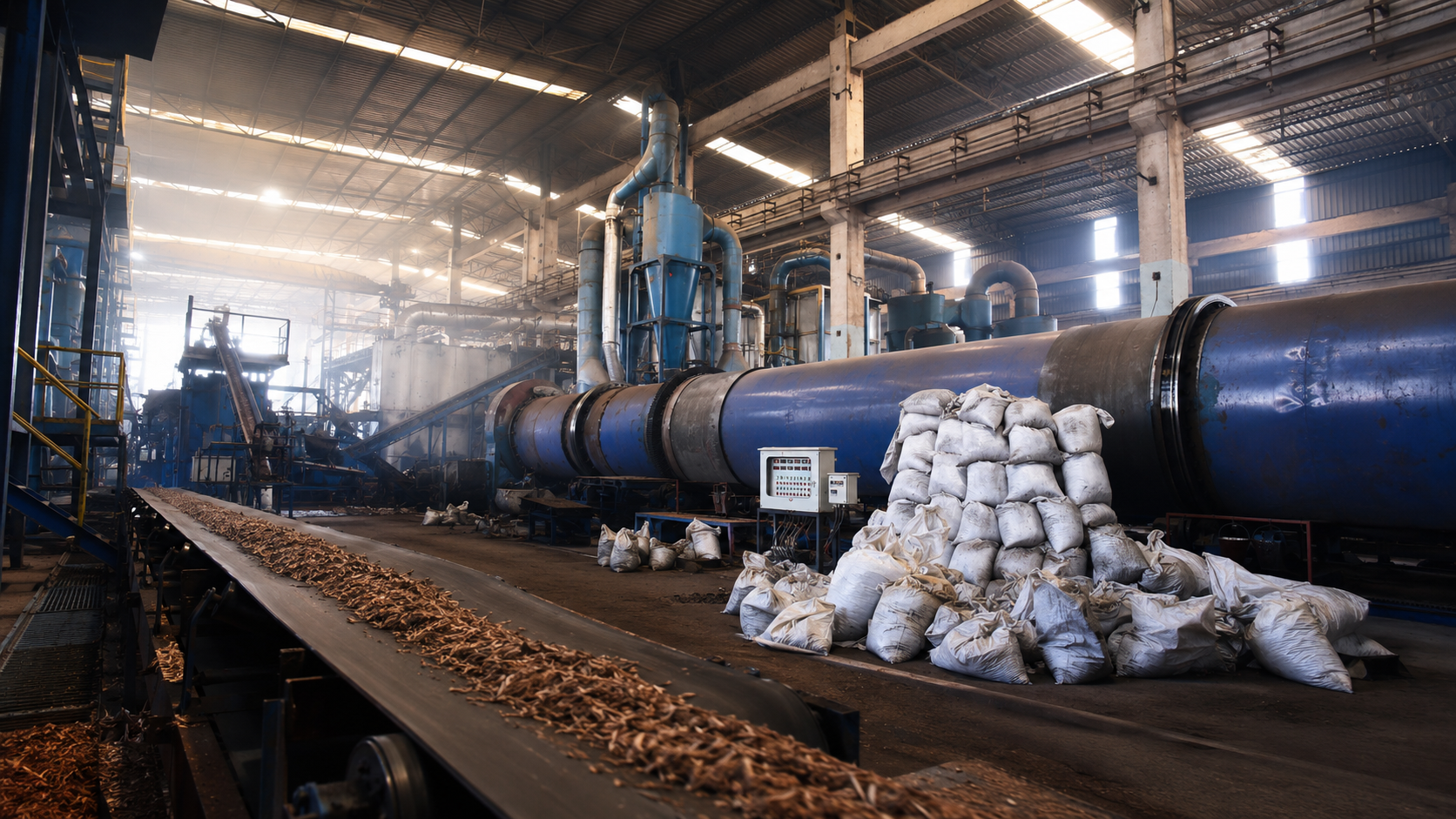
    Every pellet produced at Rashmi 6 Paradigm Limited undergoes a carefully controlled manufacturing process designed to ensure uniform quality and optimum fuel performance.

    Production process
    01

    Sustainable Biomass Procurement

    Sourcing agro-residues and wood waste through responsible supply chains.

    02

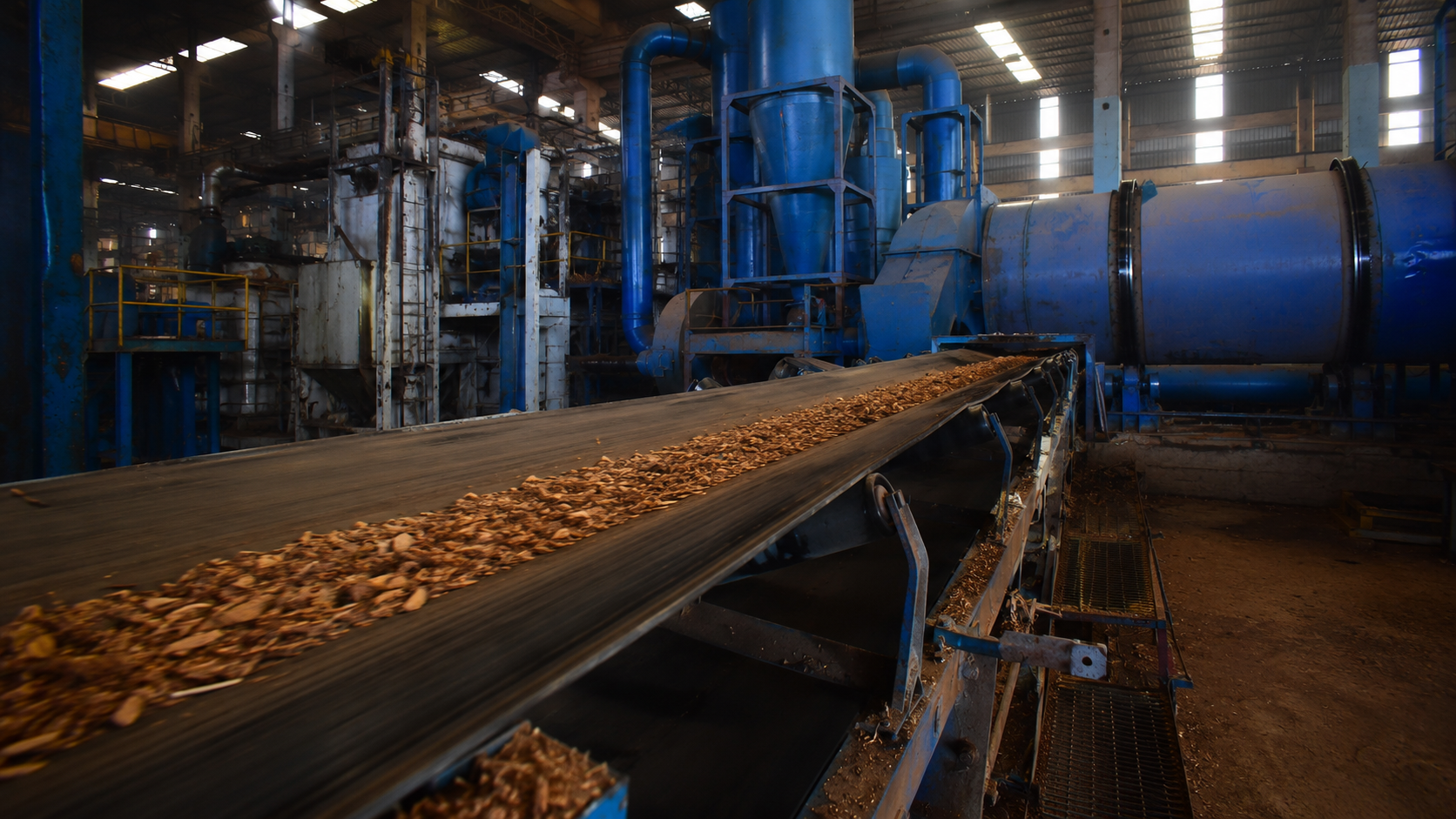
    Raw Material Processing & Drying

    Size reduction and moisture control for stable pellet formation.

    03

    Precision Pelletization

    High-pressure densification for uniform diameter and durability.

    04

    Cooling & Screening

    Stabilizing pellets and removing fines before packaging.

    05

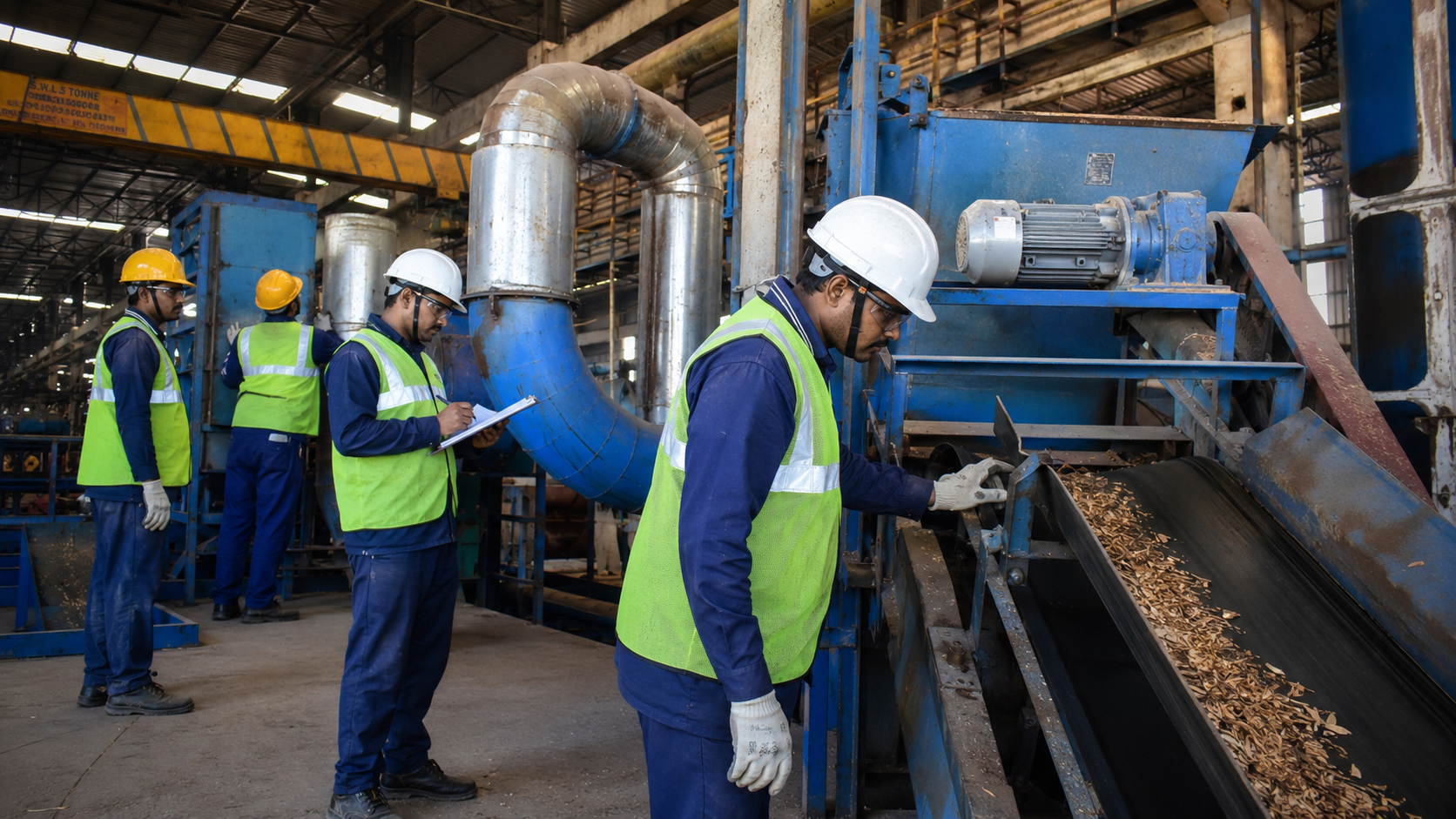
    Automated Quality Inspection

    Batch checks on moisture, ash, durability, and calorific value.

    06

    Moisture-Controlled Storage

    Protected warehousing to preserve fuel integrity until dispatch.

    07

    Export-Ready Packaging

    Bulk and bagged formats prepared for domestic and export logistics.

    07 — Sustainability

    Supporting Global Net-Zero Goals

    Biomass Pellets play an important role in reducing dependence on fossil fuels and lowering industrial carbon emissions. Through responsible manufacturing and sustainable sourcing, Rashmi 6 Paradigm Limited is contributing to a cleaner and more resilient energy future.

    Sustainability outcomes
    01

    Reduce CO₂ Emissions

    Displace fossil fuels with near carbon-neutral biomass combustion.

    02

    Lower Coal Consumption

    Enable co-firing ratios that cut coal use without major plant redesign.

    03

    Support Circular Economy Practices

    Valorize agricultural and wood residues into industrial fuel.

    04

    Convert Biomass Waste into Valuable Energy

    Turn field and process waste into reliable thermal energy.

    05

    Achieve Renewable Energy Targets

    Help industries meet renewable heat and fuel compliance goals.

    06

    Improve ESG Performance

    Strengthen environmental reporting with measurable fuel switching.

    FAQ

    Biomass Pellet Questions