
Biomass · Charcoal

Carbon that stays carbon.
Biomass, carbonized under oxygen-limited heat into a form stable enough to remain in soil for centuries rather than seasons.
- Fixed carbon
- 70–85%
- H/Corg ratio
- < 0.7molar
- pH value
- 8–10
- Moisture
- ≤10%
Left to rot or burn in the open, biomass carbon returns to the atmosphere within a season. Pyrolysed instead, the same carbon locks into a stable lattice that soil scientists measure in centuries.
Five stages, one stable carbon.
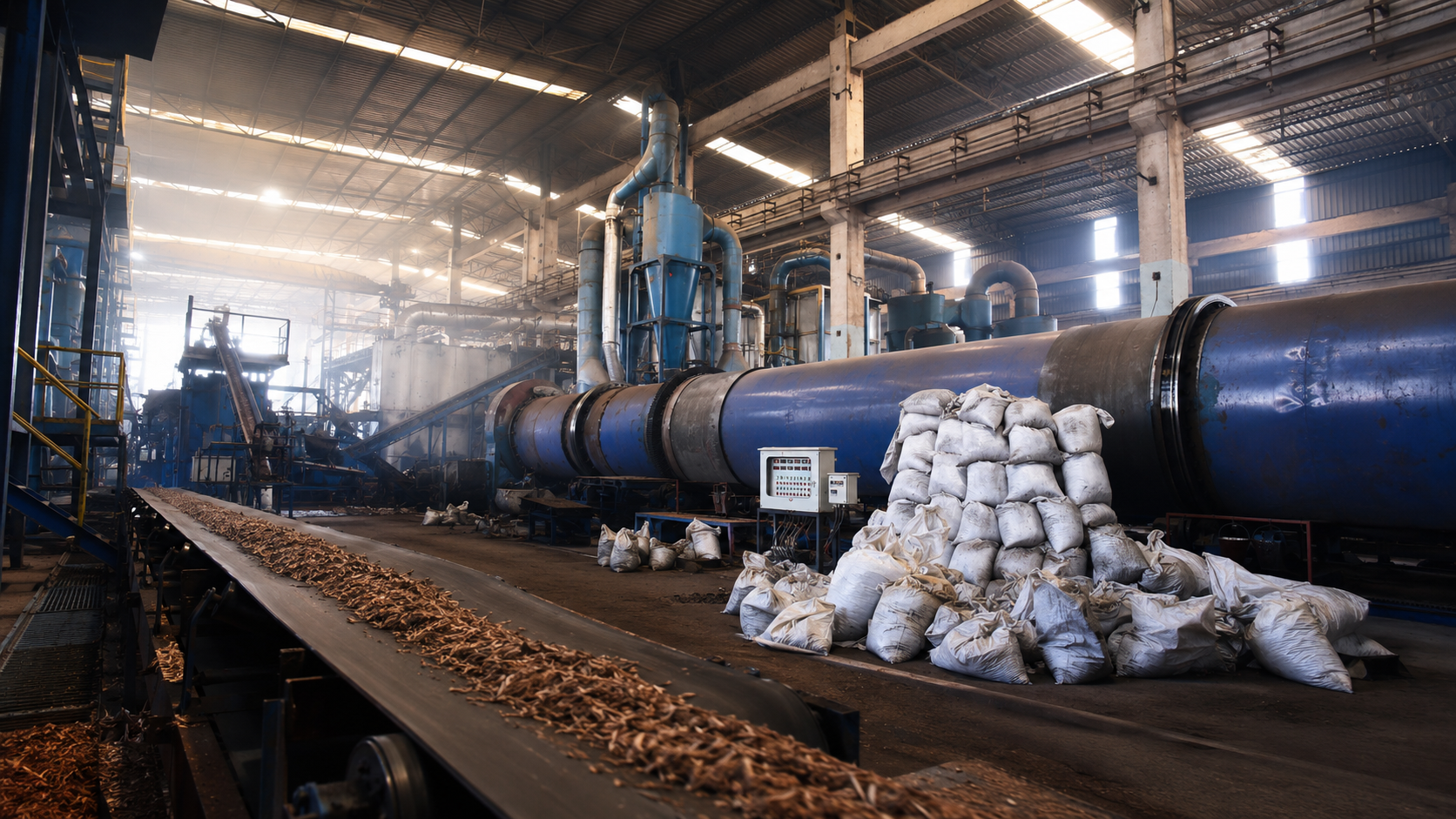
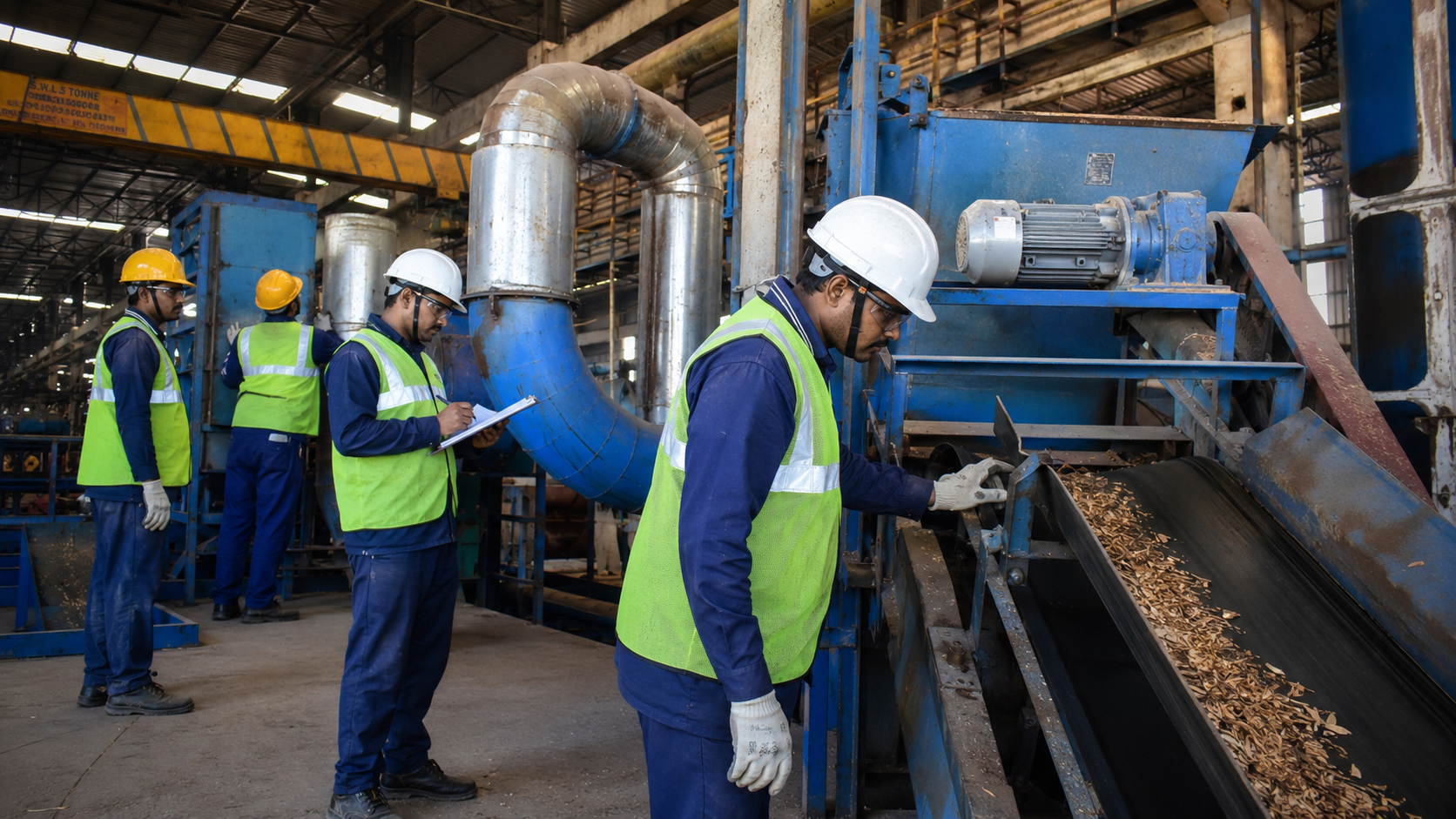
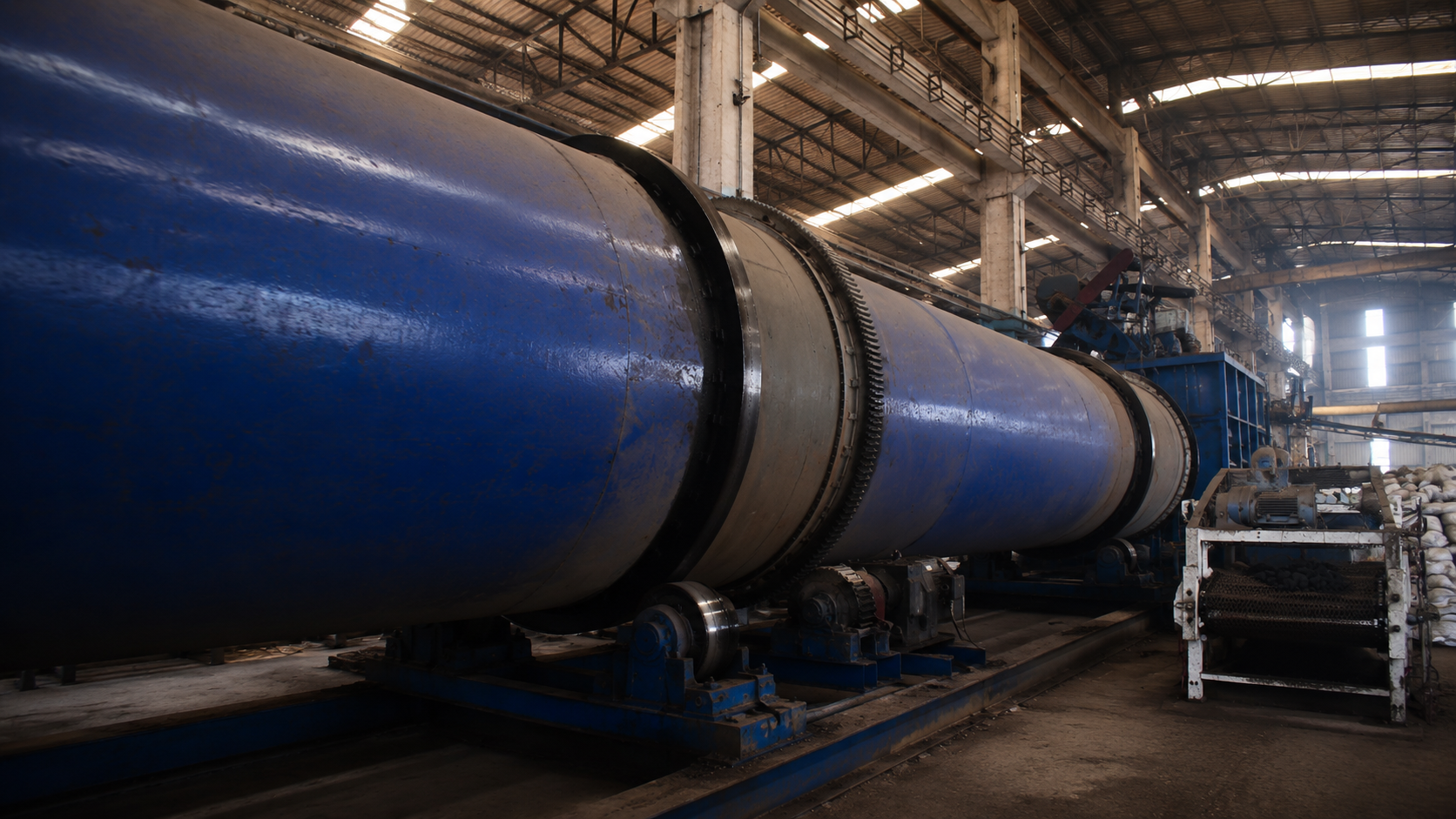
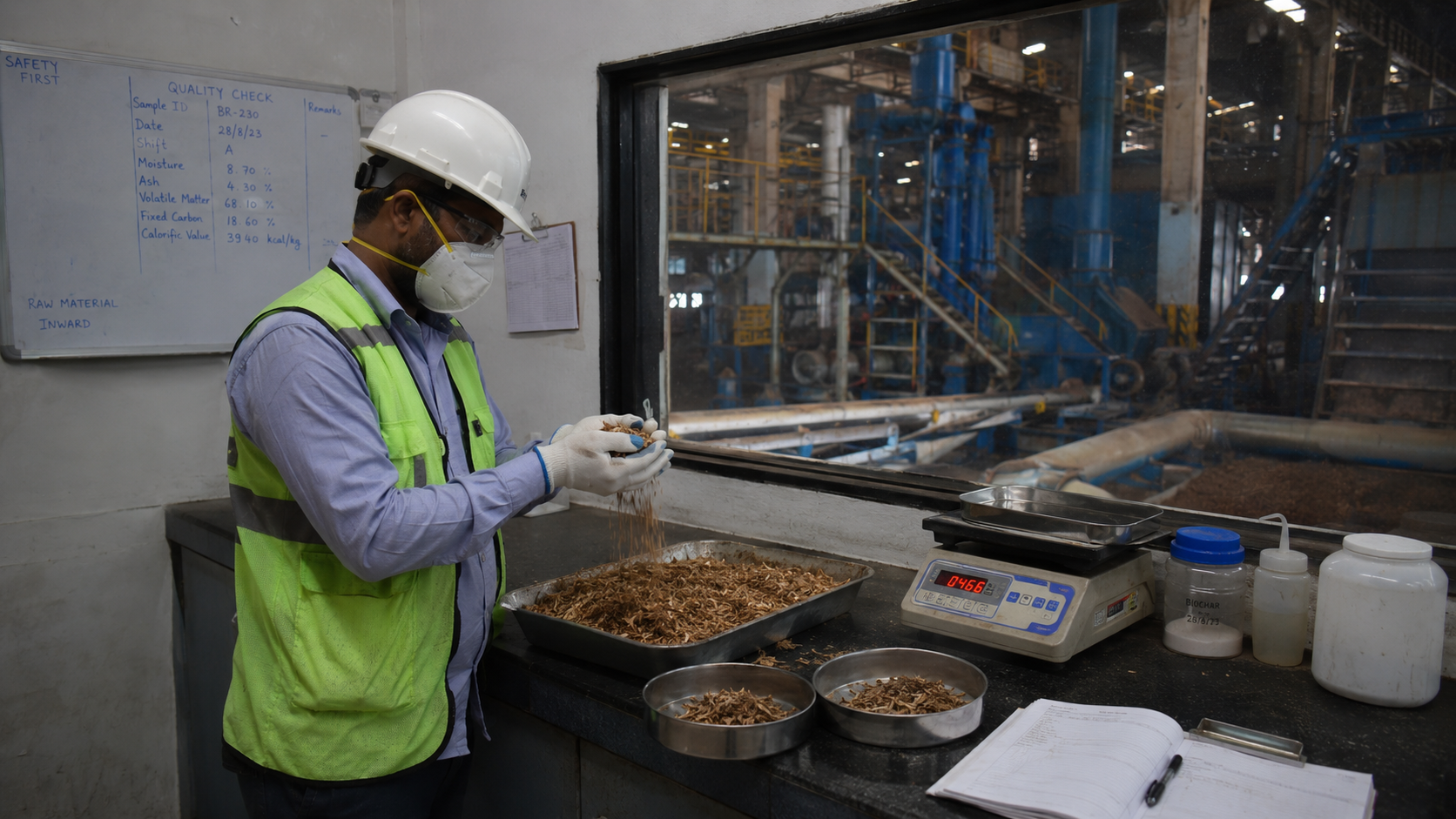
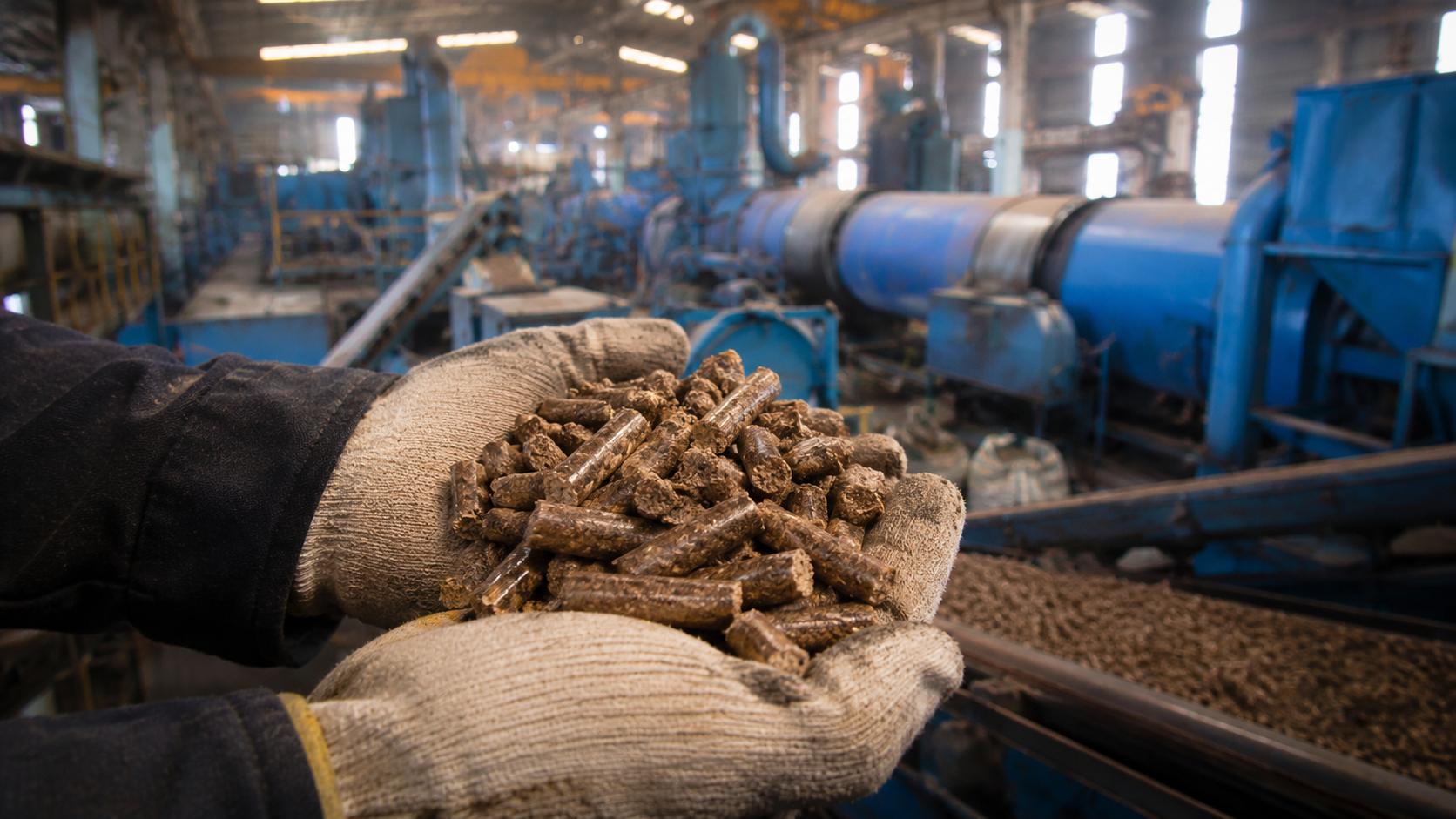
Screened for soil, not just carbon.
Graded to the particle size an application needs — field-scale amendment or fine-mesh blends — and packed for domestic and export supply.
- Feedstock
- Intake
- Pyrolysis
- Testing
- Output
Why it works.
- Soil health & fertility
- Improves soil structure, enhances nutrient retention, and reduces nutrient leaching for higher agricultural productivity.
- Water retention boost
- Porous structure acts like a sponge, significantly increasing moisture retention during drought conditions.
- Permanent carbon sequestration
- Locks carbon into a stable form that remains sequestered in soils for hundreds to thousands of years.
- Microbial habitat support
- Provides a protective habitat for beneficial soil microorganisms and mycorrhizal fungi.
- pH neutralization & remediation
- Helps buffer acidic soils and adsorbs heavy metals or environmental contaminants.
What actually makes it biochar.
H/Corg below 0.7 and organic carbon above 10% is the IBI/EBC floor for the term. Ours runs well clear of it.
| Parameter | Unit | Typical value | Method |
|---|---|---|---|
| Fixed carbon | % | 70–85 | ASTM D1762 |
| Organic carbon content | % | 60–80 | IBI Category A |
| H/Corg molar ratio | < 0.7 | IBI / EBC | |
| Moisture content | % | ≤10 | ASTM D1762 |
| Ash content | % | ≤10 | ASTM D1762 |
| Volatile matter | % | ≤20 | ASTM D1762 |
| pH value | 8–10 | — | |
| Bulk density | kg/m³ | 150–350 | — |
| Surface area (BET) | m²/g | 100–400 | — |
| Particle size | Customized to application | — |
H/Corg ratio
IBI and the EBC both cap this at 0.7 — above it, the material is charcoal dust, not biochar.
Organic carbon floor
The published minimum for the term to apply at all. Ours runs 60–80%, well clear of the line.
IBI testing tier
Mandatory fundamental-property testing — the baseline every batch is measured against before release.
Where it works.
- Soil conditioning
- Rebuild soil structure and organic matter for healthier root zones
- Organic farming
- Natural amendment aligned with organic and regenerative systems
- Carbon removal
- Durable carbon storage for verified carbon-credit and C-sink programs
- Land restoration
- Rehabilitate degraded soils and stabilize recovering landscapes
- Mine reclamation
- Improve substrate quality for vegetation on reclaimed sites
- Water filtration
- Porous carbon media for filtration and environmental treatment