
Biomass · Charcoal
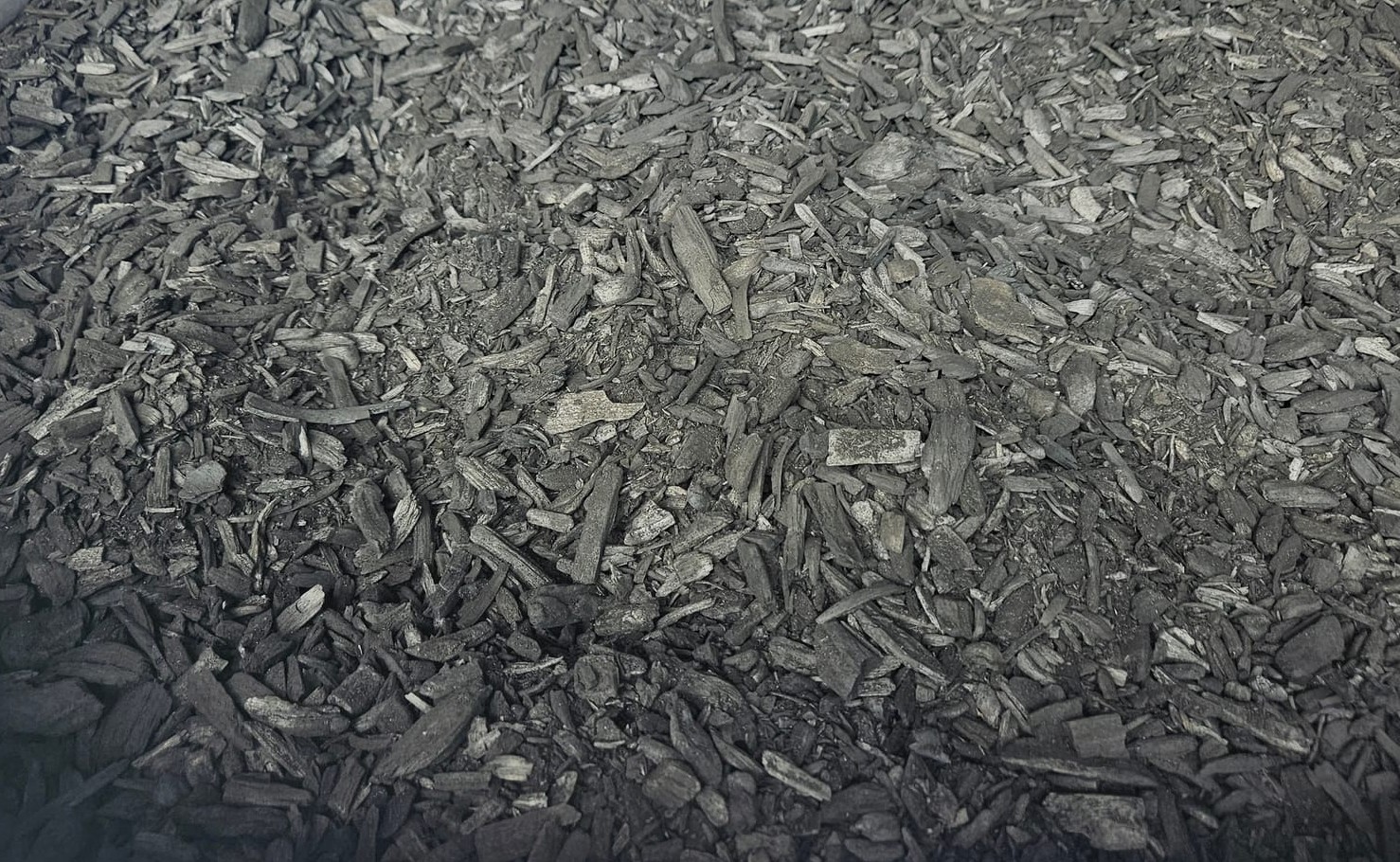
Charcoal Products
One kiln, two markets.
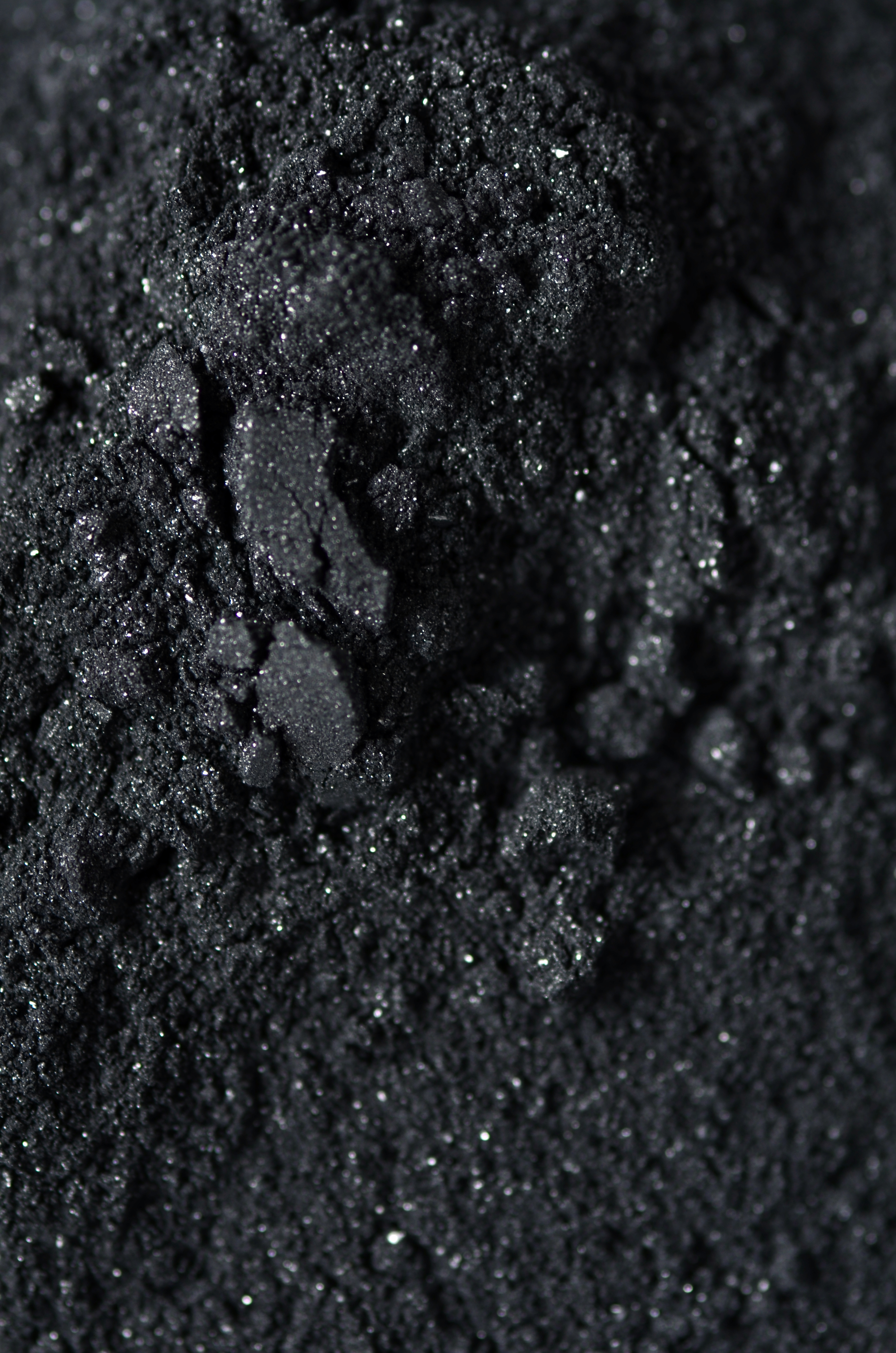
Bamboo carbonizes into a finer, more porous structure than wood — dense enough for the grill, porous enough for the filter.
- Calorific value
- 7,000–8,000kcal/kg
- Fixed carbon
- 75–81%
- Ash content
- 2–10%
- Markets
- Fuel + Lifestyle
Every other line in the catalog serves one buyer. Bamboo serves two — a hospitality importer and a home-goods brand read the same kiln output for opposite reasons.
Culm to export
Five stages, one deliberate fork.
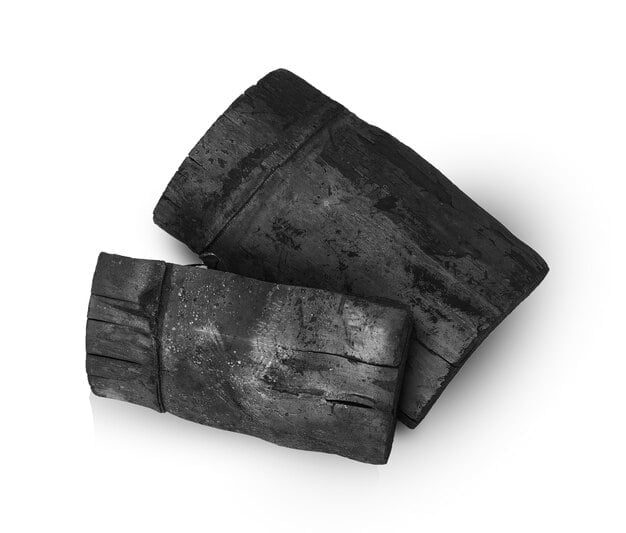
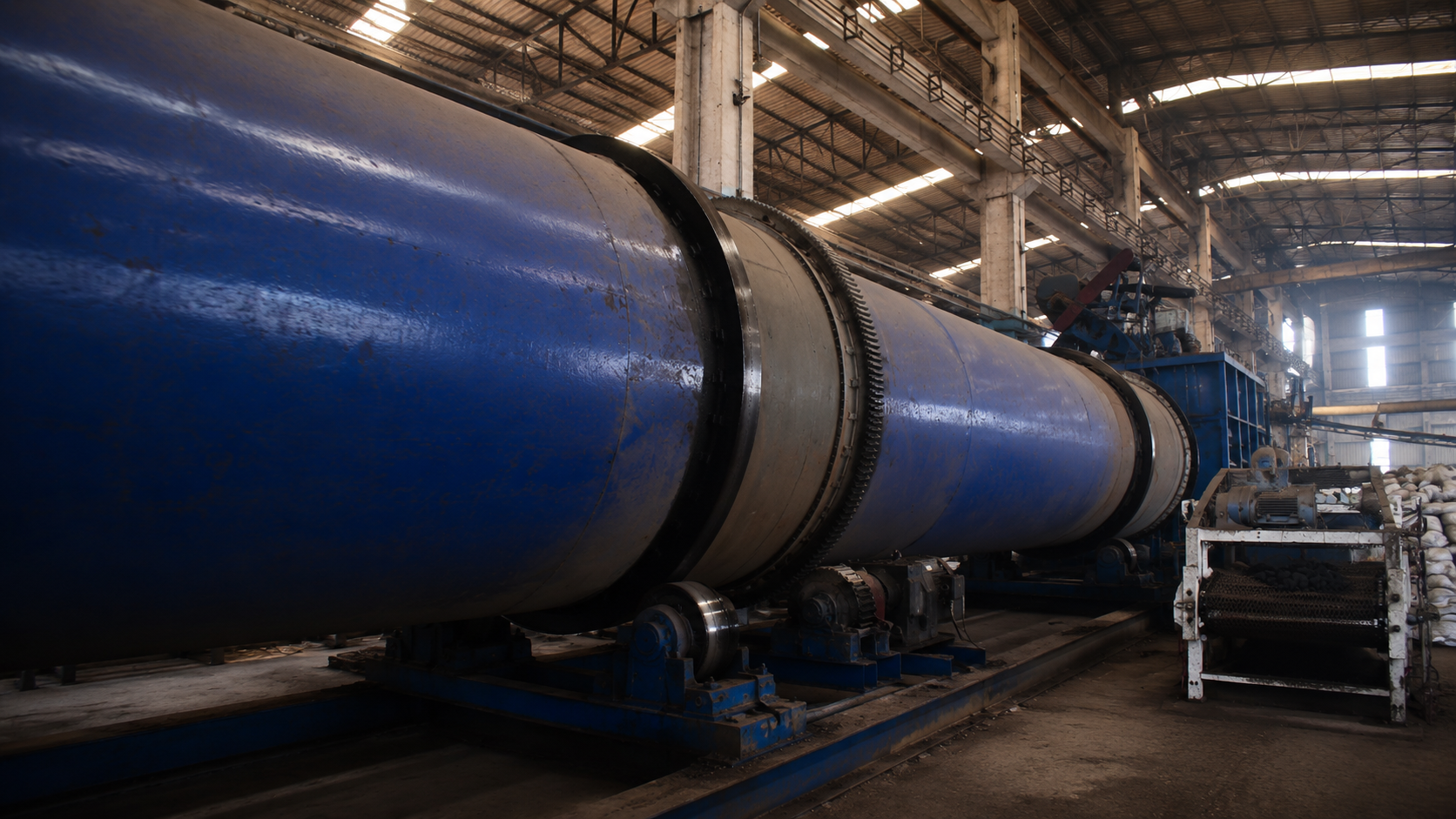
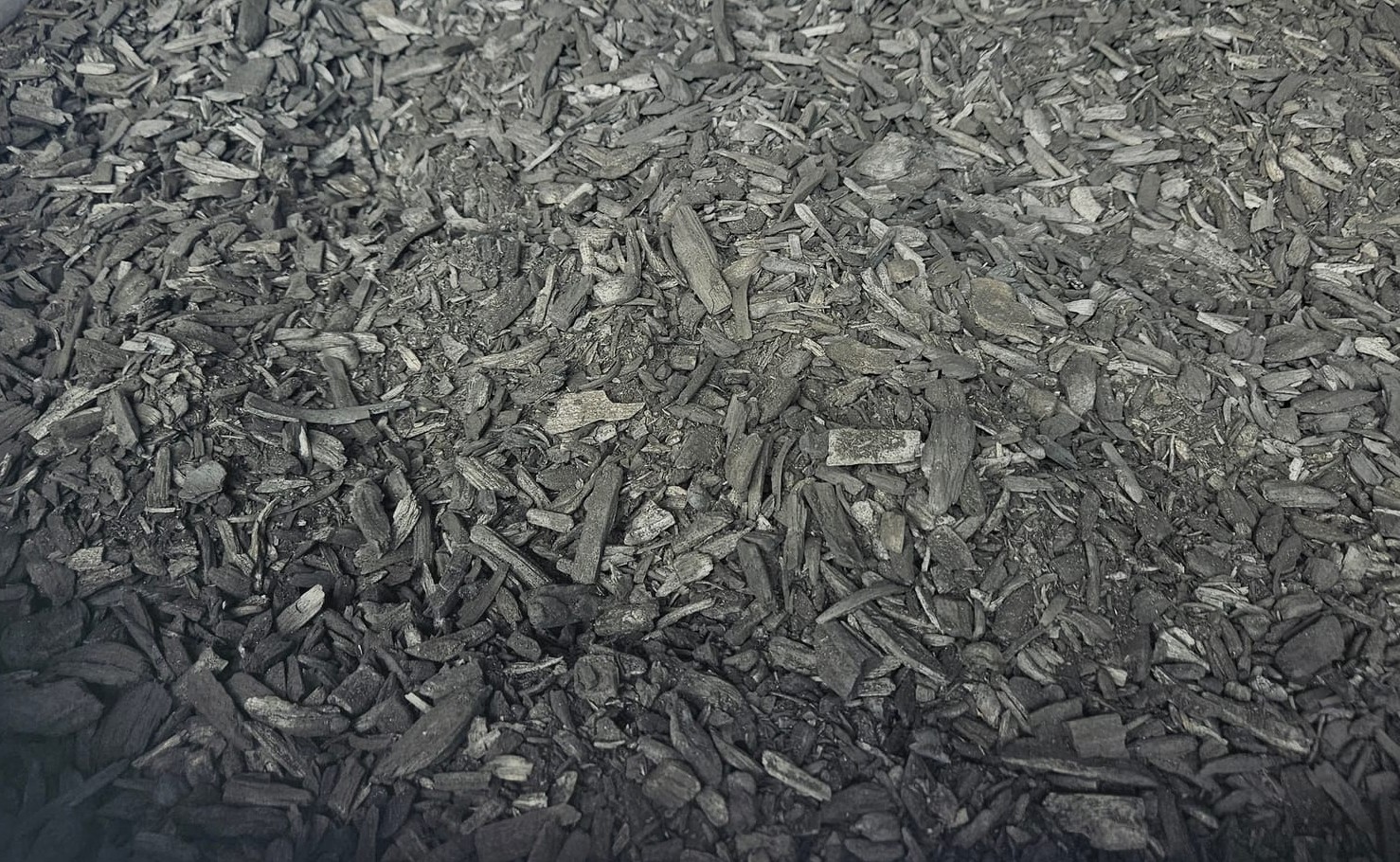
Stage 05
Two markets, one production line.
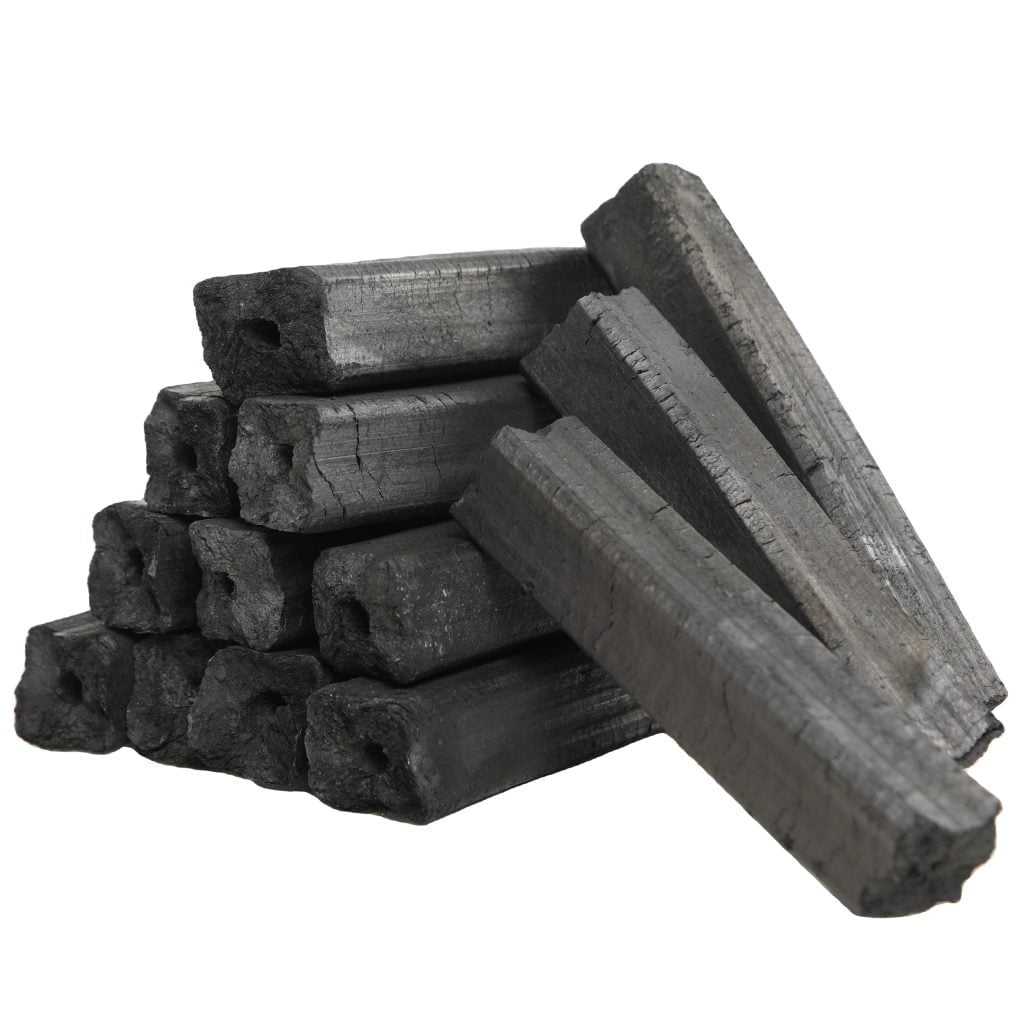
Hospitality and BBQ buyers take the lump and briquette. Home-goods, filtration and agriculture buyers take the fine grade — both shipped against the same quality discipline.
700+tons/moCombined capacity
- Culm
- Carbonization
- Fork
- Testing
- Export
SpecificationIndicative · Contract-bound
One spec sheet, two grades.
Fuel-grade and purification-grade lots are screened from the same range — grading, not a separate process, sets them apart.
| Parameter | Unit | Typical value |
|---|---|---|
| Gross calorific value | kcal/kg | 7,000–8,000 |
| Fixed carbon | % | 75–81 |
| Ash content | % | 2–10 |
| Moisture content | % | ≤8 |
| Volatile matter | % | 8–15 |
| Burn time | fuel grade | 2–5 hours |
| Production capacity | 700+ tons/month |
MarketsTwo buyers, one line
Where it goes.
Fuel grade
- BBQ & hospitality lounges
- Restaurant and outdoor grilling
- Industrial and process heat
- Export lump & briquette programs
Purification & lifestyle grade
- Air purification & odour control
- Household water filtration
- Soil amendment & organic farming
- Livestock feed additive
Sampling for a fuel program or a filtration line — tell us which, and we'll grade accordingly.
Request specification